Understanding the Basics of Gambling A Beginner's Guide
What is Gambling?
Gambling is the act of risking money or something of value on an event with an uncertain outcome, primarily with the intention of winning additional money or prizes. It encompasses a wide range of activities including casino games, sports betting, lotteries, and more. Each form of gambling involves varying degrees of skill and chance, making it both a recreational activity and a potential source of income for some. For those seeking a more robust online experience, they might consider utilizing tools such as ip stresser for improved stability.

The allure of gambling often stems from the excitement of uncertainty and the thrill of potentially winning big. For many, it serves as a form of entertainment or a way to socialize with friends and family. However, it is crucial to recognize that gambling can also lead to addiction and financial problems if not approached responsibly. Understanding the nature of gambling and its risks is essential for anyone considering participating.
In essence, gambling can be broken down into two primary categories: games of chance and games of skill. Games of chance, such as slots or roulette, rely purely on luck, while games of skill, like poker or sports betting, require a strategic approach. This fundamental distinction shapes how individuals engage with different gambling forms and influences their overall experience.
The Different Types of Gambling
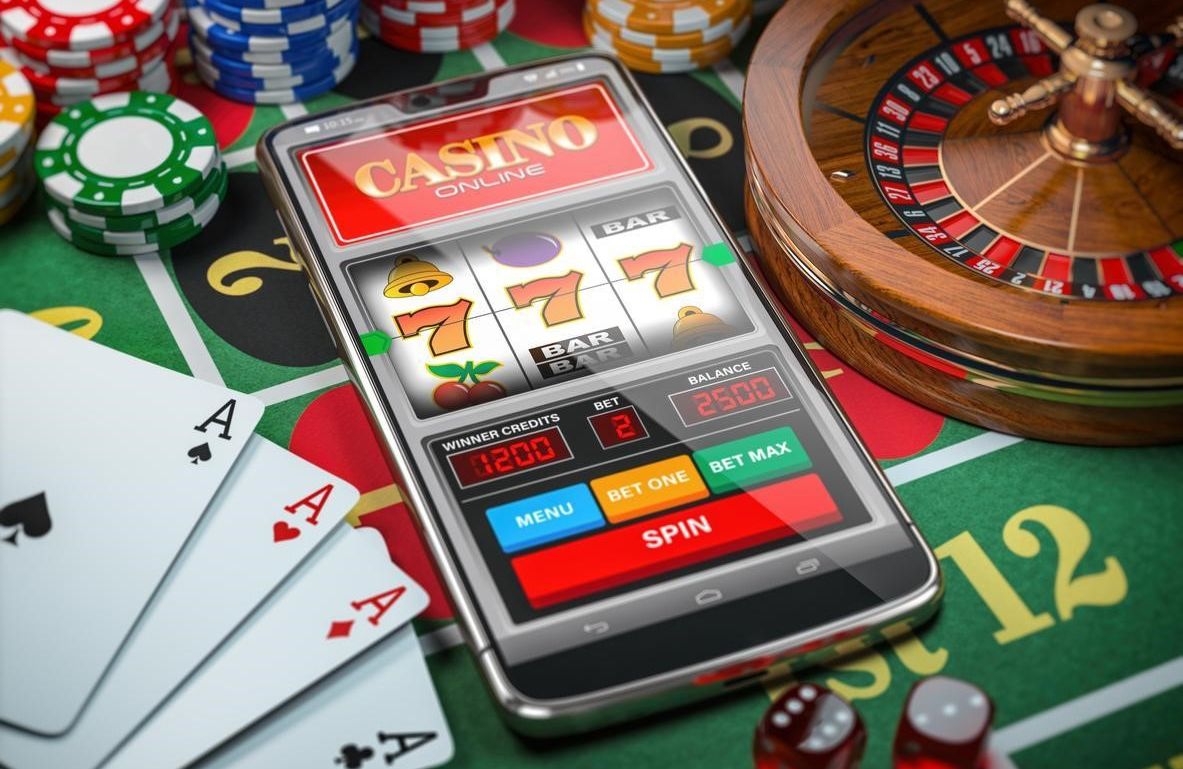
Gambling can be classified into several main categories, each offering unique experiences and rules. Casino gambling includes games like blackjack, poker, and roulette, often featuring a house edge that affects the odds of winning. Online casinos have gained popularity in recent years, providing players with the convenience of gambling from home while offering a wide variety of games and potential bonuses.
Sports betting is another popular form of gambling, allowing individuals to wager on the outcomes of various sports events. This form not only requires knowledge of the sport but also an understanding of betting odds and strategies. Additionally, lotteries offer a chance to win substantial sums of money with a relatively small investment, though the odds of winning are often low.
Lastly, social gambling is a less formal category that includes friendly bets among friends or family. While this form often lacks the seriousness of professional gambling, it can still create competitive excitement and should be approached with care. Understanding these types of gambling is crucial for newcomers looking to explore the vast landscape of gaming and betting opportunities.
The Psychology of Gambling
The psychology behind gambling is complex and often intertwined with various emotional and social factors. Many individuals gamble for the thrill and excitement it provides, while others may be drawn to the social aspects or the potential for financial gain. Understanding these motivations is essential in recognizing why individuals engage in gambling behaviors.
Moreover, the concept of loss aversion plays a significant role in gambling psychology. People tend to feel the pain of losing money more acutely than the pleasure of winning the same amount. This can lead to irrational behaviors, such as chasing losses or betting more in an attempt to recover from a bad streak. Being aware of these psychological aspects can help gamblers make more informed and responsible decisions.
Addiction is another critical issue related to gambling, affecting a substantial number of individuals worldwide. Compulsive gambling can lead to severe financial, emotional, and social consequences. It is crucial for anyone engaging in gambling to maintain self-awareness and set limits to prevent falling into harmful patterns. Resources and support systems are available to help those struggling with gambling addiction.
Responsible Gambling Practices
Engaging in responsible gambling is essential for ensuring a safe and enjoyable experience. This involves setting personal limits on time and money spent gambling, as well as being mindful of one’s motivations for participating. Acknowledging that gambling should be viewed as entertainment rather than a source of income is vital in cultivating a balanced approach.
Creating a budget for gambling activities can help manage finances and reduce the risk of overspending. Players should decide in advance how much they are willing to risk and stick to that amount. Additionally, incorporating breaks and avoiding gambling during times of emotional stress or financial instability can help maintain a healthy mindset.
Utilizing available resources, such as self-exclusion programs and support groups, can further promote responsible gambling. Many casinos and online platforms offer tools to help players manage their gambling habits. By taking proactive steps and remaining vigilant, individuals can enhance their gambling experience while minimizing potential negative consequences.
Conclusion and Resources
In conclusion, understanding the basics of gambling is essential for anyone considering entering this exciting world. With various forms of gambling available, including casino games, sports betting, and lotteries, it’s important to educate oneself about the rules, odds, and psychological aspects involved. Approaching gambling with a responsible mindset can lead to a more enjoyable and sustainable experience.
For those interested in diving deeper into the topic, numerous resources are available to guide beginners. Online forums, books, and educational websites offer valuable insights and strategies to enhance one’s understanding of gambling. Additionally, support systems exist for individuals who may need assistance with gambling-related issues, emphasizing the importance of awareness and responsibility in this endeavor.


 by Zeljko